What Homeowners Need to Know About Hail Damage Roof Repair
Hailstorms are a fact of life in many parts of the country, but few regions take the beating quite like North Texas. I have lived through enough spring storms here to know that the moment the wind shifts and the sky turns that sickly green, you start thinking about your car first and your roof second. That second thought, though, is the one that really matters. A roof that has been pounded by hail might look fine from the ground, but the damage is almost always worse than it appears. Understanding the basics of hail damage roof repair can save you from expensive surprises down the road.
I remember the first time I climbed up to inspect a roof after a hailstorm. The homeowner had insisted there was nothing wrong. From the driveway, the asphalt shingles looked intact, maybe a little roughed up. But once I got up there, I found cracks running through half a dozen shingles, granules washed into every valley, and a couple of spots where the felt underneath had been exposed. That is the thing about hail damage. It is sneaky. A pea-sized stone falling at terminal velocity can create microfractures that take months to turn into leaks. By the time you notice water staining the ceiling, the rot has already started.
Why Hail Damage Is More Than Cosmetic
Many homeowners assume that if the roof does not leak immediately, the storm did not cause real harm. That assumption is expensive. Hailstones hit with enough force to bruise the underlying decking, especially on older roofs. Even if the shingles themselves hold up, the impact can loosen the seal around vents, flashing, and skylights. Water wicks into those weak spots during the next rain, and what began as a cosmetic issue turns into mold, rot, and structural decay.
I have seen roofs where every single shingle had a small impact crater. Individually, those craters do not leak. But over time, they trap debris and moisture, accelerating wear. The roof that might have lasted another ten years suddenly needs replacement in five. That is why a thorough inspection after any hailstorm is a smart move, even if you think you dodged the worst of it. A professional can spot the difference between superficial dings and real damage that will worsen over time.
When to Call for Hail Damage Roof Repair
Timing matters. If you wait too long, small problems compound. The first step is to check your attic or ceiling for any signs of moisture. Even a faint water stain or a musty smell warrants attention. Next, look at your gutters. If you find granules from asphalt shingles in the downspouts, that is a clear sign the surface of your roof has been eroded. You want to schedule a professional inspection as soon as the weather clears. Many roofing companies in North Texas get booked up fast after a big storm, so calling early gives you better options.
From a practical standpoint, you also want to consider your insurance timeline. Most homeowner policies cover storm damage, but they require you to file a claim within a reasonable window. An inspection report from a licensed roofer gives you solid evidence for the adjuster. I have sat through enough claim meetings to know that a detailed estimate and photographs make the process smoother for everyone. Without that documentation, you risk the insurance company undervaluing the claim or denying it outright.
What a Good Inspection Covers
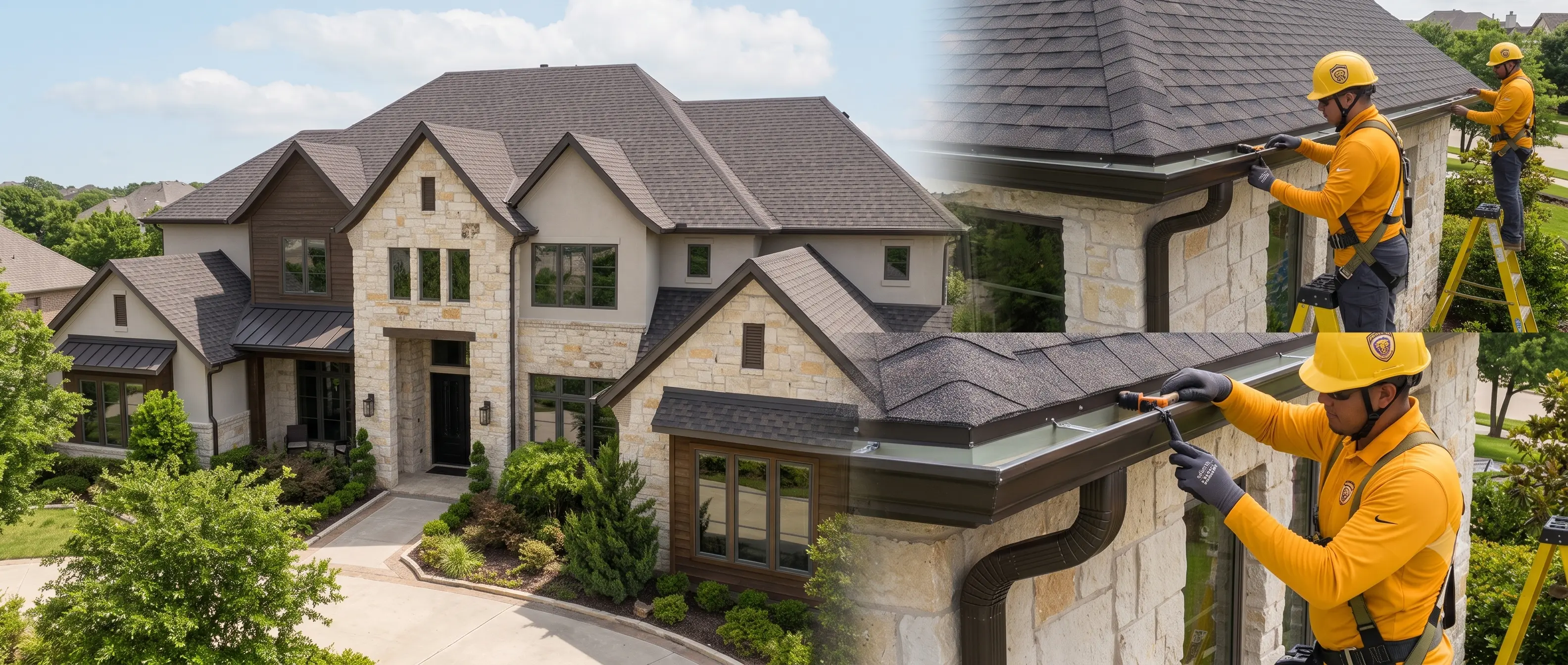
A thorough inspection is not a quick glance from the driveway. A roofer should walk every slope of the roof, check all penetrations, and document the extent of hail impacts. They will look for bruising on shingles, cracks in tile or slate, dents in metal panels, and compromised seals around vents, pipes, and chimneys. They should also check the flashing and the underlayment if any shingles have been knocked loose. A good roofer will give you a clear report that separates minor cosmetic marks from damage that needs immediate repair.
I have learned to be skeptical of any roofer who gives you a quote without climbing onto the roof. Binoculars from the ground miss too much. A proper inspection might take an hour or more on a typical house, but that hour can save you thousands in hidden damage.
Repair Options After a Hailstorm
Once the inspection is done, you have several paths forward. The right choice depends on the severity of the damage and the age of your roof. For minor impacts, spot repairs can replace a few damaged shingles or reseal a flashing joint. This is the least expensive route and works well if the rest of your roof is in good shape. But if the damage is widespread, patching one spot after another can become a losing game. Each patch is a potential weak point, and the labor adds up quickly.
For moderate damage, a partial replacement might make sense. This involves replacing an entire slope or section of the roof rather than individual shingles. It costs more than a quick patch but less than a full tear-off. The tricky part is matching the new shingles to the old ones. Even if you buy the same brand and color, the old shingles have weathered and faded. The new section might stand out until the sun evens things out over a year or two. That is purely cosmetic, but it matters to some homeowners.

For severe damage, a full replacement is often the best call. I have seen too many people try to stretch a badly damaged roof with patches, only to end up with leaks in every room of the house. If the underlayment is torn or the decking is warped, there is no point in layering new shingles over a failing foundation. A full replacement gives you a clean slate and a warranty that covers the whole roof, not just the repaired spots. In many cases, the insurance payout will cover most or all of the cost, so it is worth pushing for a complete job if the damage warrants it.
The Role of Your Roofer in the Insurance Process
A good roofer does more than fix the roof. They help you navigate the insurance claim. They can meet the adjuster on site, point out damage the adjuster might overlook, and provide a detailed scope of work that supports your claim. I have been on both sides of that conversation, and I can tell you that a roofer who knows how to communicate with insurance companies makes a real difference. The adjuster is not your enemy, but they work for the insurance company. They have an incentive to keep the payout low. Having a roofer who advocates for a thorough repair helps level the playing field.
One thing to watch out for is the pressure to use a storm-chaser crew that rolls into town after a big hailstorm. These crews often do fast work, use cheap materials, and leave before the warranty period ends. A local roofer with a permanent address is a safer bet. They have a reputation to protect and a community to answer to. They care about doing the job right because they will be around long after the storm is forgotten.
Preventive Steps for the Future
Once the repair is done, you can take a few steps to make your roof more resilient against the next hailstorm. Impact-resistant shingles, such as class 4 or better asphalt shingles, hold up better than standard ones. Metal roofs, especially standing seam or stone-coated steel, are more durable than shingles in hail events. If you are replacing the whole roof, consider upgrading the underlayment to a high-quality synthetic felt that resists tearing even if the outer layer gets damaged.
I also recommend trimming back tree branches that overhang the roof. During a hailstorm, wind can whip those branches against the shingles, compounding the damage from the hail itself. Keeping gutters clean and downspouts clear helps water drain quickly after a storm, reducing the chance of standing water finding its way under the shingles. None of these steps guarantee you will escape damage, but they tilt the odds in your favor.
Final Thoughts
Hail damage roof repair is not something you want to put off. The longer you wait, the more the damage spreads, and the more it costs to fix. A prompt inspection, a clear plan, and a roofer you trust can turn a stressful situation into a manageable one. The key is acting before the hidden damage becomes a full-blown leak.
If you live in North Texas and need a roofer who understands the local climate and the insurance landscape, RoofDog Roofing, located at 308 FM1830 Ste 12B, Argyle, TX 76226, USA, can be reached at +1 940-828-7663. They serve homeowners with roof installations, repairs, and inspections, and they donate 10% of profits to local dog rescues, which is a nice way to give back to the community while getting your roof sorted.
Connect with us on Twitter.